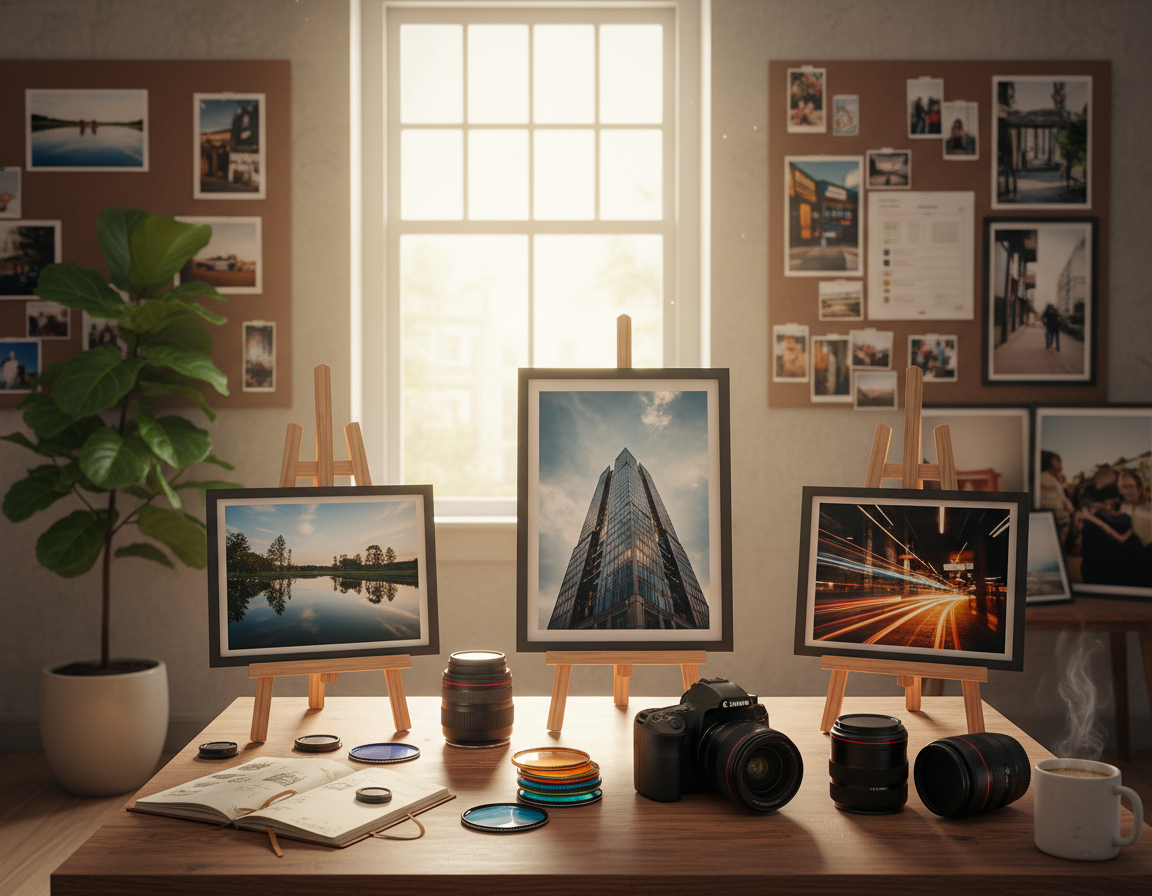
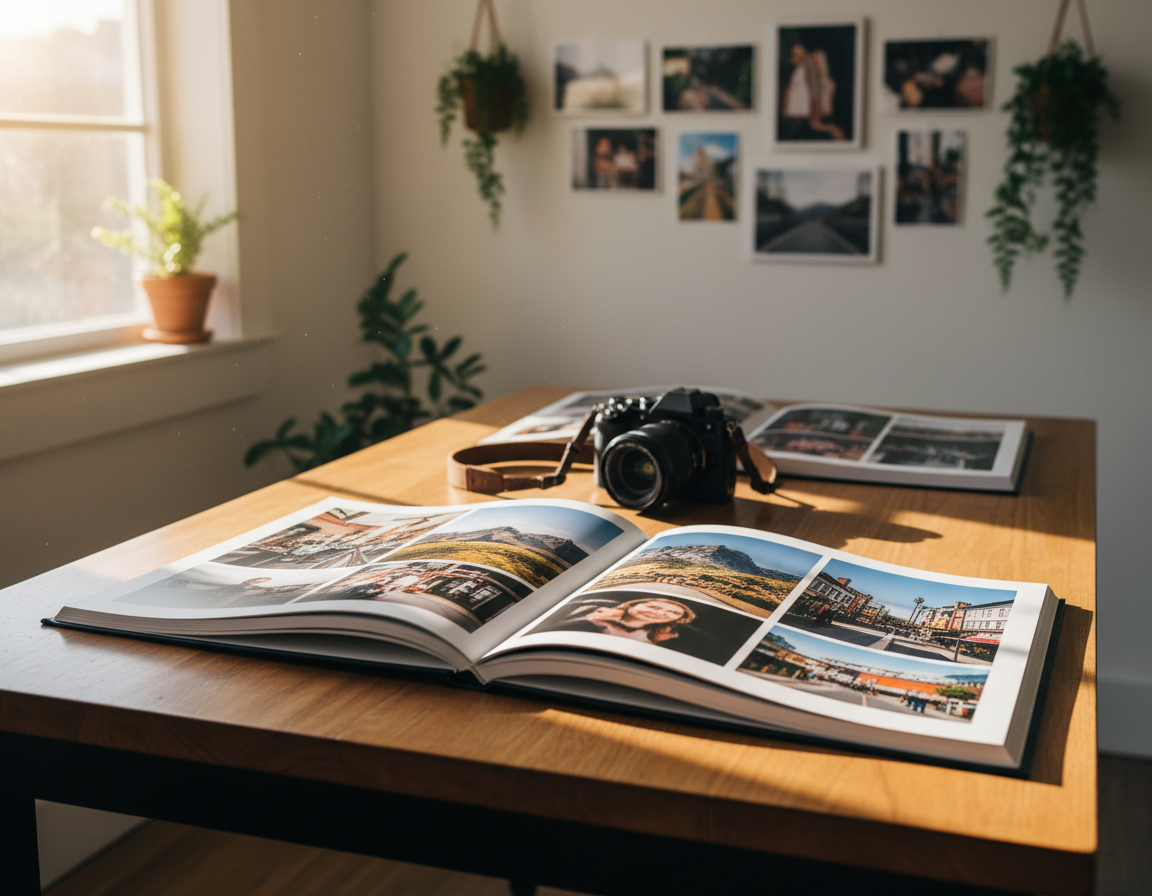
Story is what helps people learn, feel, and connect. In this guide we treat image-making as a way to communicate a clear narrative and emotional throughline, not just show pretty scenes. You will learn choices that make a frame mean more.
Intent and composition matter. We cover the full process from idea to editing: plan, shoot, sequence, and develop a voice. This approach works for documentary and more directed shoots because structure and intention shape meaning.
By the end you will be able to tell story in a single frame and build a series that reads like chapters. Expect practical tools—Five Ws, shot lists, storyboards, and hero-image thinking—to make this repeatable on real shoots.
Think like an author. As a photographer you choose what to include, exclude, and emphasize so your photographs spark empathy and keep attention longer than decorative images.
What Visual Storytelling Means in Photography Today
A photograph can act like a clipped line from life, chosen to speak louder than a paragraph. In practice, this means using frame, light, and timing to show context, change, and feeling—not just adding a caption.
“A photograph is a quotation.”
Framing is editorial. The photographer selects which instant to quote and which to omit. That choice shapes the story and the truth you present.
In a fast-scrolling world, a story-forward image must quickly answer: what’s happening and why it matters. Simple signs—gestures, place, and contrast—help images cross languages. Think of an evolution sequence or a polar bear stranded on melting ice; they communicate globally without words.
Participation matters: viewers fill in gaps. Controlled ambiguity invites thought and keeps attention.
- Use composition to signal context.
- Choose details that imply change or consequence.
- Let a hero shot do heavy lifting in a series.
For practical tips on improving how you frame moments, elevate your photography. Intention is what turns a random snap into a meaningful visual story.
Start With Intention: Decide What Story You Want to Tell
Decide before you press the shutter what single sentence your frame must say. Naming the idea first focuses composition, light, and edit choices. Alan Ranger reminds us that storytelling in photography is a vocabulary that is uniquely yours to speak.
Finding your voice, worldview, and meaning
Your voice comes from what you notice in the world and how you see cause and effect. Write one-line intent as a working hypothesis. This keeps projects tight and prevents drift.
Choose angle and perspective before you pick up the camera
Decide the angle: hardship, joy, tension, or resilience. That choice directs framing, lens, and timing. Different photographers can shoot the same scene and tell different stories because intention changes what they prioritize.
Ask “What emotion should the viewer feel?”
Use this checkpoint in the field. Let that emotion guide subject selection, moment, and edit. In documentary work, be explicit about claims and avoid shortcuts that mislead the viewer.
- Tip: Define the story in one sentence before shooting.
- Write your hypothesis and revisit it during editing.
Choose a Subject You Actually Care About
Pick a subject that keeps you curious after the shoot—passion fuels better pictures than a pretty set.
Why passion matters: When you care, you stay longer and look deeper. That extra time finds real moments, relationships, and stakes that make a story matter.
Photographic appeal—nice light or bold color—can stop attention. But real value comes from showing change, conflict, and meaning in people’s lives. Technical skill alone won’t carry a frame.
Build connection before the camera
Spend time, ask questions, and watch routines. Simple curiosity opens access to intimate moments instead of stereotypes. Sean Tucker notes technically strong portraits can still be empty without connection.
- Be patient and respectful around vulnerability.
- In documentary and staged work, genuine interest yields specific details.
- Quick self-test: would you still shoot this if no one ever saw the photos?
Care plus structure—planning, shot lists, and a clear intent—turns interest into complete stories that viewers can feel.
Plan the Shoot Like a Writer: Research, Structure, and a Shot List
A clear plan turns good intentions into coherent work. Before you pick up the camera, spend time researching place, people, and limits. That pre-writing keeps the shoot focused and makes your edits faster.
Use the Five Ws to test the idea:
The Five Ws as a worksheet
- Who = character portraits and interactions.
- What = key actions to capture.
- Where = establishing shots that set the scene.
- When = time-of-day choices for mood and light.
- Why = the purpose that guides every frame.
Build a realistic shot list that covers wide, medium, and close detail. Include likely hero frames and planned transitions. For a practical template, see a shot list example.
Plan A and plan B
Prepare backups for weather, access limits, and changing light. Map alternate locations and a shorter schedule for tight time windows. Get permissions, check travel times, and run a quick gear checklist so you don’t improvise essentials on site.
Storyboard as a flexible guide
Sketch a beginning, middle, and end, but stay open to unplanned moments. A loose storyboard reduces randomness and keeps your story clear when candid moments arrive.
Discipline note: Shooting more frames won’t guarantee a stronger story. Thoughtful planning frees your mind on location so you notice and react to the best moments with the camera, not panic.
Single Image vs. Photo Series: Pick the Best Form for Your Story
Deciding whether one frame or a sequence will serve your idea is the first editorial choice on a shoot. The right form depends on complexity, time span, and how much you need the audience to learn.
When one photo can carry the whole narrative
A single image works when a symbol, action, or setting answers the viewer’s key questions fast. Keep one clear subject and avoid competing elements. This form suits tight ideas and quick distribution.
How a series creates a beginning, middle, and end
A series allows development: introduce who and where, show change or conflict, then resolve meaning. Use pacing so each frame adds a beat toward the whole visual story.
Identify the “hero image”
Find the frame that holds the emotional peak or clearest claim. Make it the anchor and build supporting images that explain context and consequence.
| Form | Best use | Distribution |
|---|---|---|
| Single image | Strong symbol or decisive action | Feeds, headlines, posters |
| Short series (5–8) | Small arc, added context | Web articles, galleries |
| Long series (8–12+) | Complex narratives and change over time | Exhibitions, photo essays, books |
Quick exercise: Draft one single-frame concept and an 8–12 image outline of the same idea. Compare clarity. Composition is how you control what the viewer reads first and what they feel next.
Composition and Framing Techniques That Guide the Viewer’s Eye
Composition is the map that guides the eye across a scene and reveals meaning step by step. Think of every frame as a directed path: what the viewer sees first, where their gaze travels, and where it rests.
Establishing shots vs. close-ups: context and emotion
Start wide to say, “Here is where we are.” Wide frames set the situation and anchor the story. W. Eugene Smith’s Country Doctor uses an establishing shot to orient the narrative before moving inward.
Then move closer. Tight images and close-ups add intimacy and reveal stakes through expression, hand gestures, or worn objects.
Rule of thirds, leading lines, symmetry, and negative space
Use the rule of thirds to place main subjects off center so the eye moves naturally. Leading lines pull attention toward action. Symmetry can calm or dramatize; negative space adds mystery or isolation.
Use environment and space to show situation, not just subjects
Treat background, props, and room as active characters. A messy table or empty doorway tells as much as a face. Practice the same scene wide, medium, and close to test which frame best serves the story.
- Framing checklist: check edges for distractions, remove bright hotspots, and avoid competing subjects at corners.
- Beware that light can change mood; composition and lighting work together.
Light as Story: Mood, Emotion, and Meaning in a Scene
Treat light as a character: it can soften, threaten, or clarify what you want the viewer to feel.
Soft light suggests warmth and calm. It wraps faces and objects in gentle transitions. Use it for tender portraits, quiet interiors, and scenes that need emotional ease.
Hard light creates sharp edges and aggressive highlights. It adds grit and intensity. Choose hard lighting for conflict, high drama, or a harsher mood in a single moment.
Exposure ratio and contrast
Exposure ratio is the relationship between highlights and shadows. Low ratio means shallow contrast; the scene reads quiet. High ratio deepens contrast and raises tension. Adjust this to set your narrative tone.
Direction matters
Side light builds tension; backlight creates mystery; front light brings clarity; under-lighting can unsettle. Move the light or the subject a few degrees and the character of the frame changes.
Natural limits and simple tools
In documentary work, available light is often part of the story. Accept it when it fits. When you can shape light, use a reflector, diffuser, on-camera flash, or strobe to control mood.
Watch the light across minutes and hours. Wait for the moment when lighting, color, and contrast combine to match the meaning you want to make.
Color and Contrast as Narrative Tools in Images
Color and contrast can act like punctuation in an image, telling the viewer where to look and how to feel.
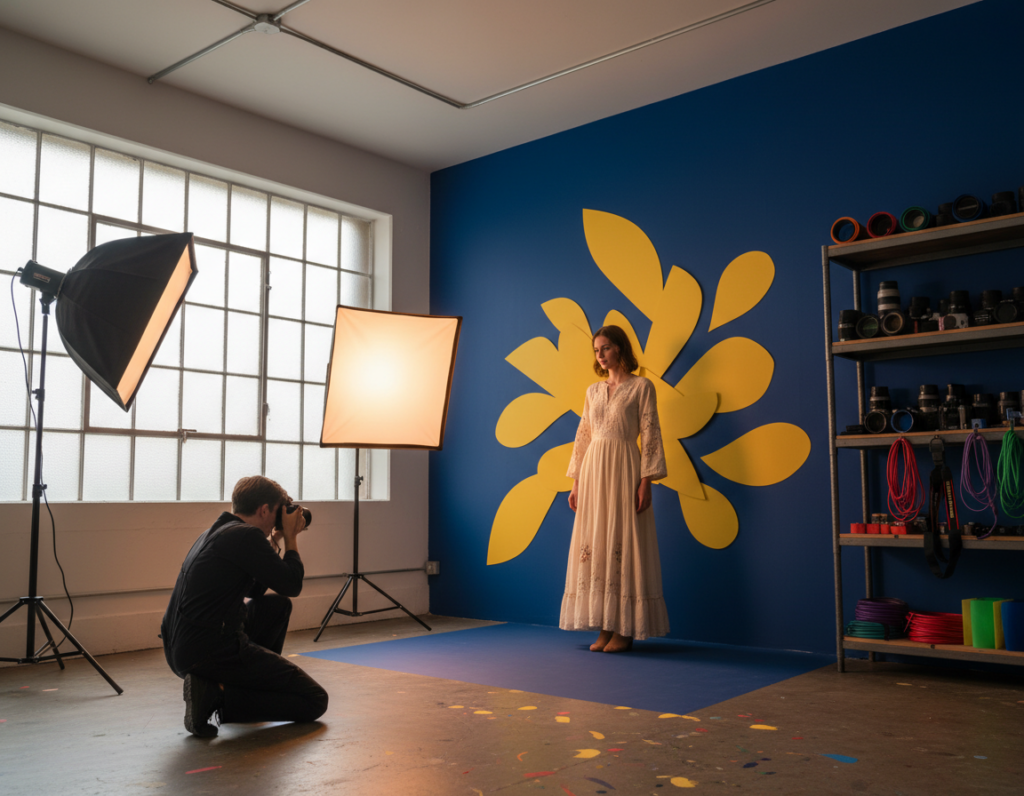
Warm palettes—reds, oranges, and yellows—often read as energy, passion, or comfort. Cool palettes—blues and greens—tend to feel calm, distant, or somber.
Control saturation to set tone. High saturation brings immediacy and urgency. Low saturation suggests restraint, nostalgia, or seriousness.
Hue consistency and harmony
Keep a consistent hue range across a series so each image feels like the same chapter. Color harmony ties individual frames into a coherent story.
Use contrast with purpose
Use contrast to separate subject from background or to heighten drama. Strong contrast can push an element forward; low contrast can unify a scene.
Distraction audit: identify dominant colors that pull attention away from the subject. Change framing, wardrobe, or edit to reduce the distraction.
Decide early if color is part of the claim or if it competes with it. A repeated red object can signal urgency, but avoid forced symbolism.
Consistent color and contrast help images read smoothly as a visual grammar and prepare sequencing that supports the larger story.
Build Visual Storytelling Photography Through Sequencing and “Visual Grammar”
A strong order of images turns moments into a readable arc that guides the viewer.
Define sequencing as the process of making photographs speak to one another so the whole story reads clearer than any single frame. Matt Black called sequencing a feeling: each image should build on the last.
Create rhythm by alternating wide shots, portraits, and close details. Wide frames set context. Portraits carry character and emotion. Details supply proof and texture. Swap types to control pace and focus.
Use landscapes or panoramas to punctuate chapters. These shots reset context, give the viewer a breath, and mark shifts in time or place—useful for long series or a book layout.
Quality over quantity: shooting five hundred frames adds choices but not meaning. W. Eugene Smith waited until the work felt complete. Trust editing over excess.
- Print thumbnails or use a grid.
- Group by function: establishing, character, action, detail, closing.
- Refine order; remove weak frames.
In documentary projects, honor chronology while shaping a coherent arc. If a transition feels off, swap or cut rather than pad the sequence with filler.
| Element | Role | Best use | Placement |
|---|---|---|---|
| Wide shot | Sets scene | Introductions, context | Start or chapter breaks |
| Portrait | Builds empathy | Character beats | Middle sequence |
| Detail | Adds proof and texture | Actions, objects | Between main beats |
| Landscape/panorama | Resets pace | Transitions, closures | Chapter punctuation |
For practical guidance on arranging a body of work, see a short guide to visual storytelling photography.
Editing as a Storytelling Process (Not Just Polishing Photos)
The edit is an act of selection that turns photos into a clear story. Editing is not merely cosmetic. It chooses what the audience notices and what emotion each image communicates.
Crop to remove edge distractions and strengthen composition after the fact. Tight cropping can clarify a subject’s role and remove competing elements that confuse meaning.
Exposure, contrast, and color balance to reinforce the narrative
Adjust exposure and contrast to set mood. Raising contrast can make a frame feel urgent; lowering it can calm the scene without changing what truly happened.
Use color balance to keep a series coherent. Correct mixed lighting so images read as one continuous work rather than a patchwork of tones.
Consistent processing to keep a series emotionally coherent
Build a consistency checklist: matching white balance, tonal range, grain, and sharpness so the series reads as a single piece. Repeated editing choices form part of your visual signature.
- Select images first for narrative function, not technical perfection.
- Refine tonality and color in a second pass.
- Do a final polish to remove stray distractions and check cohesion.
Warning: avoid over-editing that creates an artificial look and breaks trust, especially in documentary work. Post-production can rescue problems, but thoughtful capture remains the best foundation.
For creative techniques that connect capture and edit, see how to elevate your photography and tighten your process.
| Edit Stage | Primary Goal | Tools / Focus |
|---|---|---|
| Selection | Find images that serve the story | Thumbnails, prune weak frames |
| Crop & Composition | Clarify subject and remove distractions | Crop tool, straighten, reframe |
| Tonal & Color Pass | Set mood and unify series | Exposure, contrast, white balance, curves |
| Final Polish | Fix stray elements and ensure cohesion | Spot removal, sharpening, consistent grain |
Develop a Visual Signature Your Audience Can Recognize
Your signature is a set of repeatable choices that make your work feel like yours across projects. It helps an audience recognize your style even when subjects change. Commit to a toolkit of form, lens, ratio, and lighting habits so your work reads as a consistent body of art and story.
Film vs. digital: mood and texture
Film often gives grain, unpredictable color shifts, and a slower process that can shape intent. It costs more per frame, but the texture supports a nostalgic or tactile mood.
Digital gives flexibility, higher ISO performance, and immediate feedback. Use it when you need control, tight deadlines, or consistent color across a book or exhibit.
Black-and-white vs. color
Remove color to emphasize form, light, and raw emotion. Use black-and-white when you want the audience to focus on shape and contrast.
Keep color when context, symbolism, or local hue matters. A consistent palette across a series ties images into a stronger narrative form.
Aspect ratio, lenses, and time of day
Choose 3:2 for classic stills, 4:5 for social feeds, square for graphic impact, and widescreen for books or gallery prints.
Match lens choice to intimacy: wide lenses invite the viewer into a scene; longer lenses compress distance and isolate subjects. Time of day sets mood—morning calm, midday harshness, dusk ambiguity—so plan shoots to match the story tone.
Natural vs. artificial light
Natural light reads as honest and place-based. Artificial light lets you craft a repeatable look; flash can become a signature when used consistently—think of photographers who make lighting part of their style.
Build a signature toolkit: list your camera, go-to lenses, preferred ratio, color approach, and lighting methods. Use it as a filter during shoots and edits so your audience learns what to expect from your art and story.
Conclusion
Close your project with a clear task: make a short set that answers one question. Pick a subject you care about, plan with the Five Ws, and keep a simple shot list. This turns ideas into finished images, not loose moments.
Remember: you tell a story more by choices than gear. What you frame, when you press the shutter, and how you edit shape meaning. Use composition, light, color, and consistent processing to guide the viewer.
Sequence with purpose. Find the hero photo that anchors the claim and cut frames that distract. Ask trusted photographers or peers to test whether your audience reads the intended story without explanation.
Now: choose one idea this week, schedule time, and finish a short set. Repetition builds craft—part observation, part structure, and part personal voice that grows with every completed project.