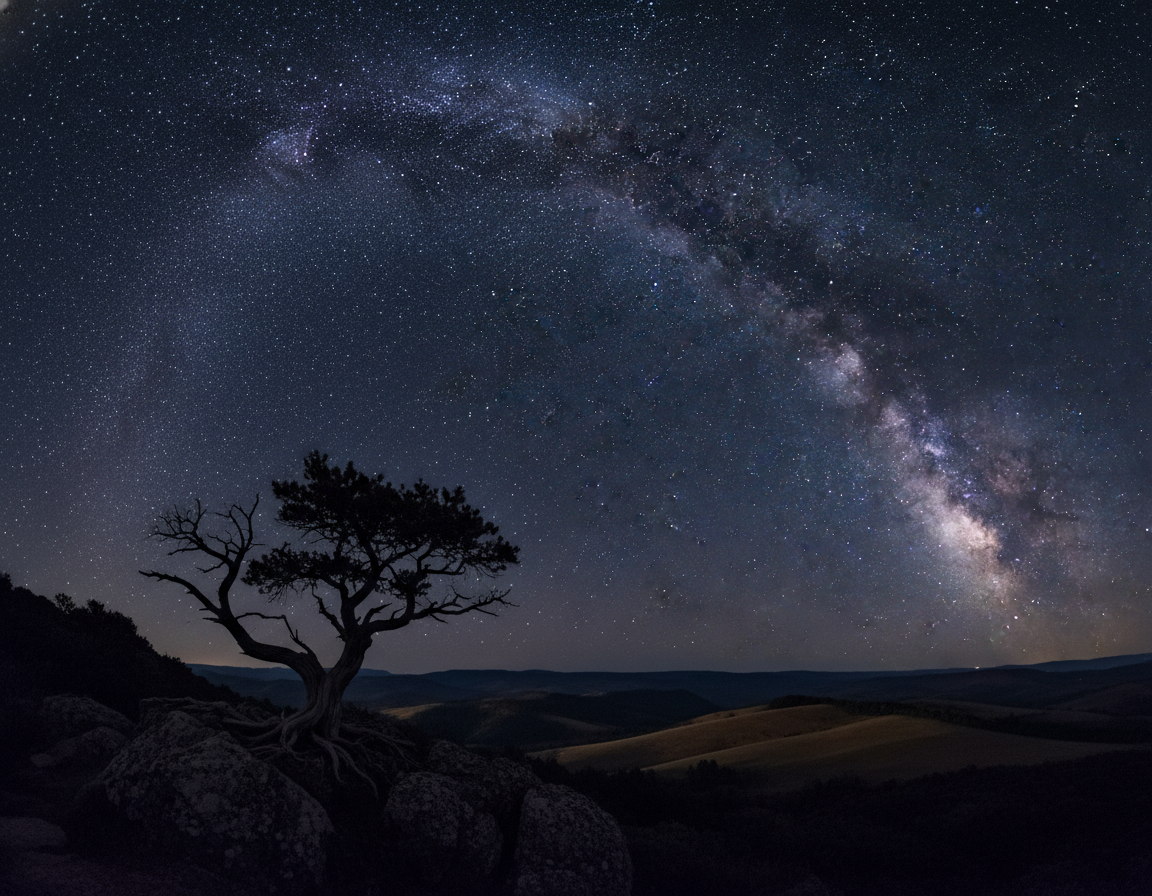
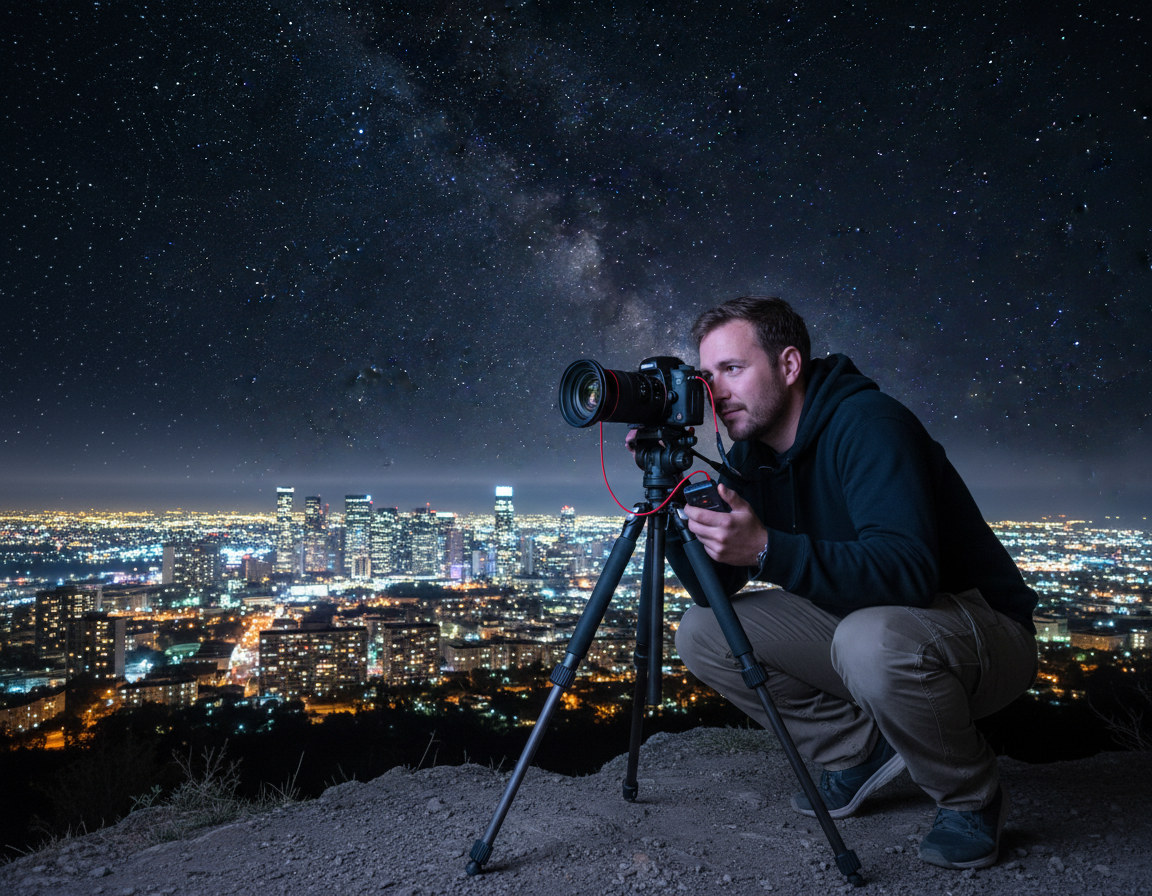
The evolution of photography has taken a dramatic turn in recent years, particularly with the emergence of digital technology. Unlike the traditional methods of snapping photographs, digital photography enables users to capture, edit, and share images swiftly and seamlessly. Throughout this article, we will explore the rise of digital photography, its impact on personal and professional photography, and how it revolutionized the industry.
Digital photography has transformed the way we document our lives, making it more accessible to everyone. Advances in technology have led to significant improvements in camera quality, affordability, and ease of use. As a result, photography is no longer limited to a select few skilled individuals; anyone can now become a competent photographer.
This article delves into the various aspects of digital photography, highlighting its advantages, historical context, technological advancements, and future trends. Ultimately, understanding the rise of digital photography enhances our appreciation for this highly engaging art form.
The Historical Context of Photography
Photography has come a long way since its inception in the early 19th century. The first successful photograph was captured in 1826, marking the dawn of an innovative era in visual storytelling. Since then, various advancements have contributed to the medium’s evolution.
Initially, photographing required complex equipment and an understanding of chemical processes. As time progressed, the introduction of film cameras made photography more user-friendly. However, film limitations posed challenges for photographers looking to experiment.
The transition from film to digital began in the late 20th century, with the development of digital sensors that could replace film. This innovation set the stage for a photography revolution, which continues today. The advent of digital cameras made photography accessible to the masses, allowing everyone to capture moments without the fear of wasting film.
With digital photography, the need for darkrooms faded. Photographers could instantly view and edit their images, significantly reducing the time between capturing and sharing photographs. This shift in methodology greatly affected the way people view and engage with photography.
Understanding the historical context of photography helps us appreciate the monumental changes brought about by digital technology. The transition from analog to digital photography has shaped how modern photographers operate in various environments.
Key Advantages of Digital Photography
Digital photography offers various advantages that have contributed to its widespread popularity. From instant feedback to endless sharing possibilities, these benefits appeal to both casual and professional photographers. The immediacy of digital photography fosters creativity without the limitations of traditional methods.
One major advantage lies in the ability to review images immediately after capturing them. This instant feedback allows photographers to adjust settings and re-take shots to achieve the desired outcome. Consequently, this feature boosts confidence and learning curves.
Additionally, digital photography eliminates the costs associated with film development. Photographers can take thousands of images without the worry of breaking the bank on film and processing fees. This affordability has encouraged experimentation and innovation across the photography spectrum.
The versatility of digital formats is another powerful benefit. Digital images can be easily stored, organized, and shared across various platforms. This seamless integration into daily life has made photography an essential way for people to communicate and commemorate their experiences.
Moreover, advancements in editing software have improved the quality of digital images significantly. Photographers can manipulate photos in countless ways to achieve their artistic vision, creating works that were previously unimaginable. These advantages highlight why digital photography has become the preferred choice for many.
The Technological Innovations Behind Digital Photography
The rapid advancement of technology in recent years has greatly influenced the world of digital photography. Digital cameras have become increasingly sophisticated, incorporating features that enhance the user experience and image quality. Understanding these innovations is essential for appreciating modern photography.
One important development is the evolution of camera sensors. Larger sensors not only improve image quality but also enhance performance in low-light conditions. This technology change has been transformative, enabling photographers to capture breathtaking images in various environments.
Another noteworthy innovation is image stabilization technology. This feature helps reduce blurriness caused by camera shake, resulting in sharper images. Both amateur and professional photographers benefit immensely from this advancement.
Wireless connectivity has also changed how we manage and share our photographs. Most modern cameras now come with built-in Wi-Fi or Bluetooth capabilities, allowing users to transfer images directly to smartphones or computers. This convenience simplifies the process of sharing photos on social media platforms.
Furthermore, artificial intelligence has begun to play a significant role in digital photography. AI-assisted features in cameras and editing software offer users intelligent solutions, supporting them in better capturing and enhancing their images. These technological innovations ensure that digital photography remains dynamic and exciting.
The Influence of Social Media on Digital Photography
Social media has undeniably influenced the rise of digital photography in countless ways. Platforms like Instagram, Facebook, and Pinterest provide users with vibrant spaces to showcase and share their passion for photography. This connectivity has allowed photographs to reach larger audiences quickly.
With the popularity of smartphone cameras, many users now document their lives through images and share them online. Social media plays a pivotal role in encouraging people to embrace photography, as it fosters a community of enthusiasts eager to exchange ideas and techniques.
Moreover, social media algorithms often favor visually appealing content, leading to increased emphasis on the quality of photographs. As a result, many aspiring photographers are motivated to refine their skills and invest in better equipment to stand out in the digital landscape.
Additionally, social media platforms have opened up new avenues for monetization for professional photographers. Many creatives can share their work and attract potential clients, establishing personal brands with a global audience while showcasing their portfolios online.
Finally, social media has created a unique trend where photography is not only about personal expression but also about storytelling. By sharing personal experiences through vivid imagery, users connect with others on a deeper level, further enhancing the relevance of photography in the digital age.
Print vs. Digital Photography: The Ongoing Debate
The debate between print and digital photography continues to be a prominent topic among professionals and enthusiasts. While digital photography offers convenience, printing photographs holds significant artistic and sentimental value. The choice largely depends on individual preferences and goals in photography.
Printed photographs allow for tangible, physical memories that can be displayed and cherished in various formats. Owning a printed photo often invokes feelings of nostalgia, making it a preferred choice for many people seeking to preserve their memories.
On the other hand, digital photography provides unparalleled convenience and efficiency. With digital images, people can easily store, organize, and share their work in ways that prints cannot replicate. High-quality prints can be costly and time-consuming but are often seen as essential for exhibitions and portfolios.
Moreover, the unique character of print photography offers warmth and depth that digital images sometimes struggle to capture. Consequently, artists and photographers may choose different mediums depending on their desired artistic expression and audience.
Ultimately, the debate between print and digital photography may never truly settle. Each medium offers unique benefits and characteristics, enriching the expanded world of photography for individuals and artists alike.
The Future of Digital Photography
The future of digital photography appears promising, with ongoing technological advancements poised to redefine the medium. As imaging technologies continue to mature, we can expect innovative developments that enhance both user experience and photo quality. Understanding these trends can help photographers stay ahead of the curve.
One exciting trend is the further integration of artificial intelligence within camera systems and editing software. As AI evolves, we can anticipate more refined workflows, technical guidance, and enhanced features that streamline both capturing and editing images.
Cloud storage is also set to become more prevalent, providing photographers with secure, accessible spaces to store and share their work. This evolution will simplify the organization and retrieval of vast catalogs of images while ensuring you can preserve precious memories for years to come.
The rise of immersive photography techniques, such as virtual reality and 360-degree imagery, is another noteworthy trend. These innovations allow photographers to create engaging experiences, expanding the boundaries of storytelling and art like never before.
Further advancements in affordable camera equipment, including compact mirrorless systems, are also likely to democratize photography even more. This accessibility will encourage more people to explore the art form, fueling growth and creativity across the industry.
Conclusion
The rise of digital photography has reshaped the way we capture and share our world. From its historical context to the transformative technological advancements, this evolution has created countless opportunities for aspiring and professional photographers alike. The impact of digital photography extends beyond personal use, influencing industries and changing our visual culture.
As we embrace the future of digital photography, emerging technologies promise that this medium will continue to develop and evolve. For anyone passionate about photography, the only limit is the creativity and vision they bring to their work.
Ultimately, the journey of digital photography remains an exciting adventure, offering a platform for exploration, expression, and connection that enriches our collective experience. The possibilities are extensive, and the art form is sure to flourish for generations to come.